Whether you study in architecture or psychology, it is important to know the meaning of certain specific, and important words that you will regularly employ in your field of study. In order to make it easier, this glossary will help you learn new words related to the science of numbers, particularly accounting. For instance, accountants complete multiple tasks, such as managing balance sheets, publishing financial statements, making budgets, and processing tax payments and returns.
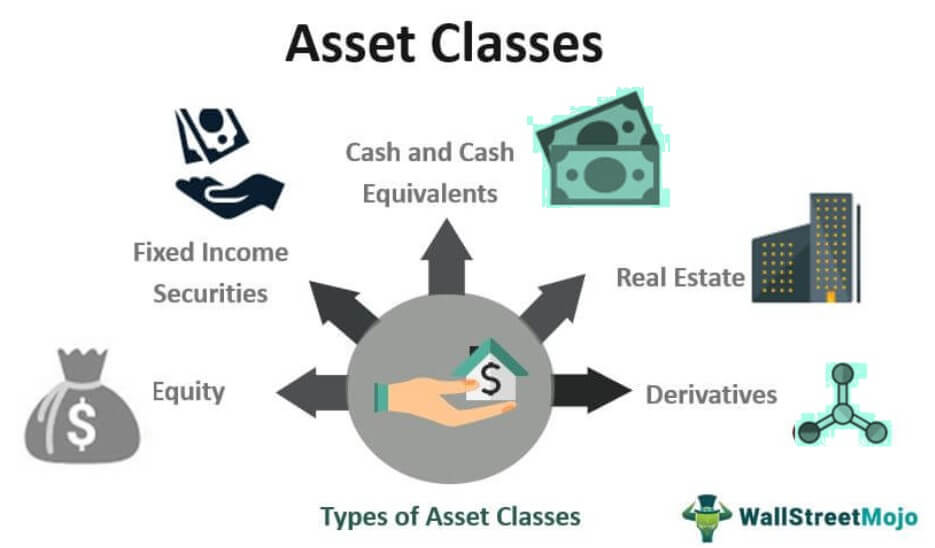
Asset
Noun
Property owned by a person or company, regarded as having value and available to meet debts, commitments, or legacies.
Example: There is a risk-free ASSET, so investors can borrow or lend unlimited amount of money at a fixed risk-free rate.
en: Actif
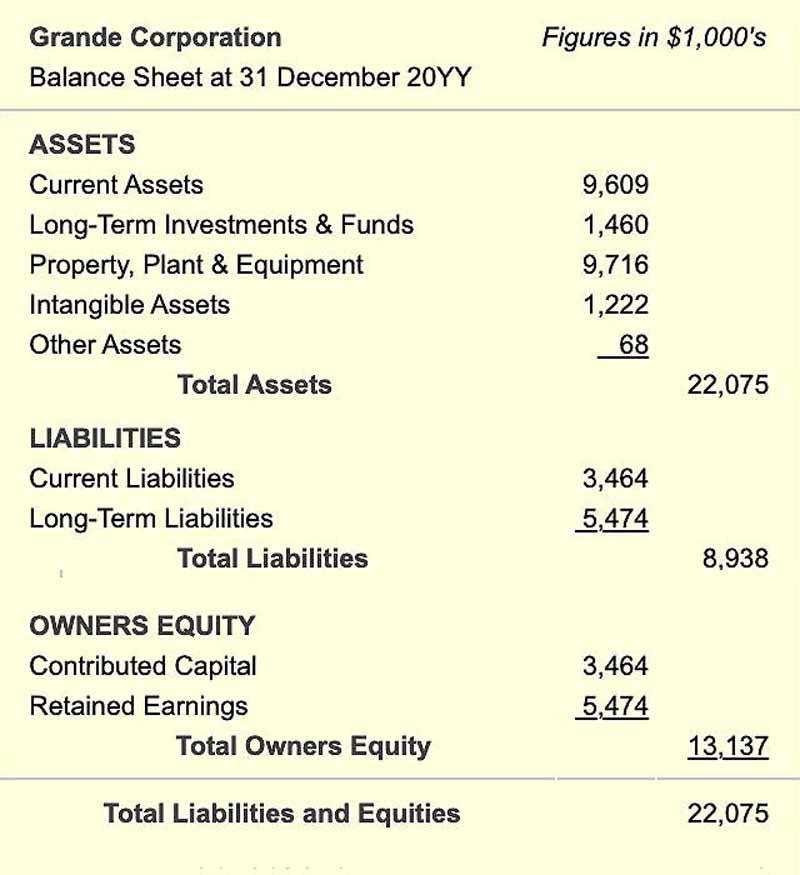
Balance sheet
Noun
A statement of the assets, liabilities, and capital of a business or other organization at a particular point in time, detailing the balance of income and expenditure over the preceding period.
Example: As was explained previously, the banking system has accumulated an important number of public bonds in default which are nowadays priced at ź of their original face value, a fact that produced a markedly negative effect on the banking system's BALANCE SHEET.
en: Bilan
Budget
Noun
An estimate of income and expenditure for a set period of time.
Example: The BUDGET analysis is used to set out expected expenditures and then to review what actually happens, it is done using four BUDGETS.
en: Budget
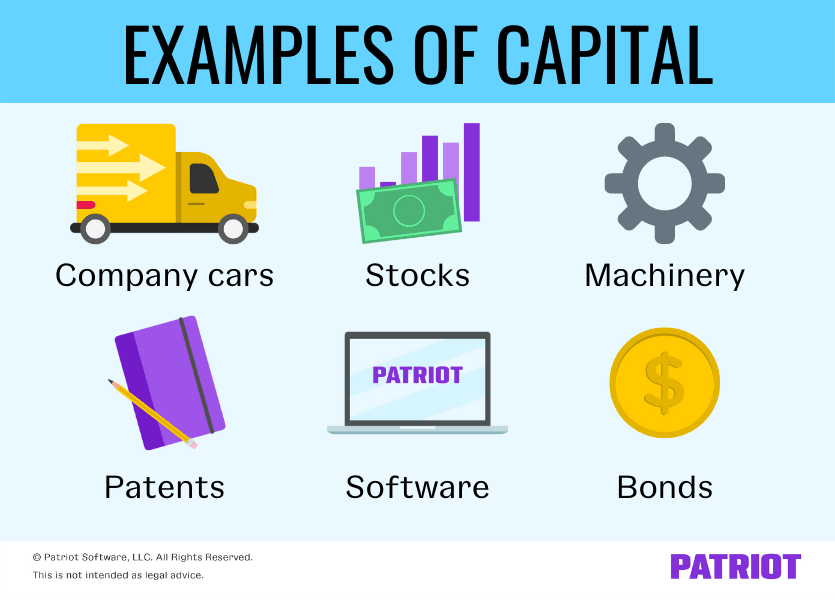
Capital
Noun
Wealth in the form of money or other assets owned by a person or organization or available or contributed for a particular purpose, such as starting a company or investing.
Example: Opening the CAPITAL account may entail an increase in exposure and therefore in the potential vulnerability of the economies.
en: Capital
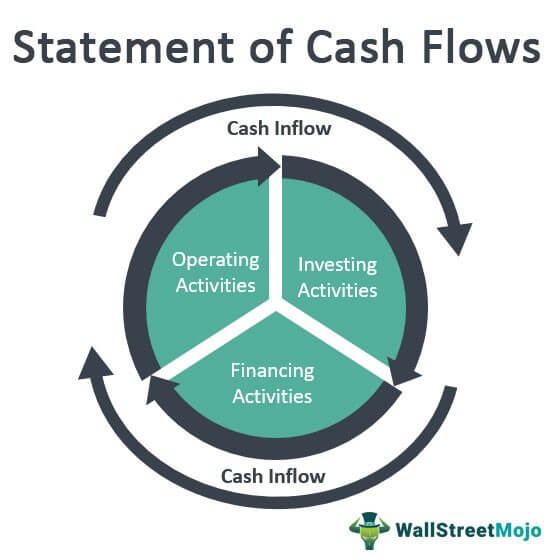
Cash flow
Noun
The total amount of money being transferred into and out of a business, especially as affecting liquidity.
Example: Having a fixed budget allows the management to more accurately forecast the company's CASH FLOW and better invest other funds.
en: Flux de trésorerie
Credit
Noun
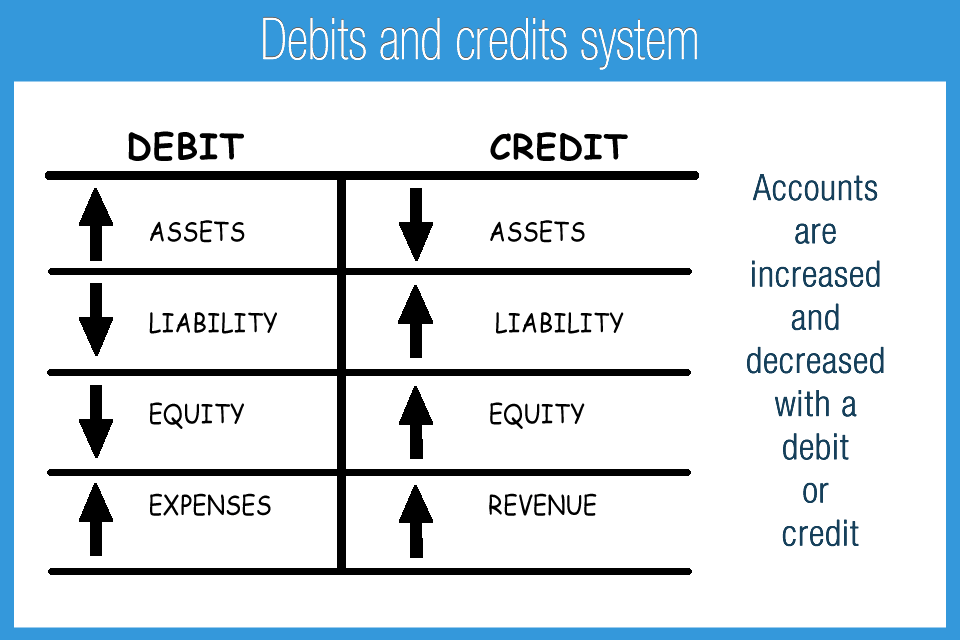
An entry recording a sum received, listed on the right-hand side or column of an account.
Example: The claimants, Hedley Byrne & Co, advertising agents, were approached by a client, Easipower and a contract of £100,000 annual payments on CREDIT was settled.
en: Crédit
Debit
Noun
An entry recording an amount owed, listed on the left-hand side or column of an account.
Example: Consider an economy where people choose to make all monetary transactions using bank deposits only, for example through DEBIT cards or cheques.
en: Débit
Deposit
Noun
A sum of money placed or kept in a bank account, usually to gain interest.
Example: Loans given out by banks are funded by the DEPOSITS of other customers.
en: Dépôt
Discount
Noun
A deduction from the usual cost of something, typically given for prompt or advance payment or to a special category of buyers.
Example: Conversely, if the cost of fibre rises by $1 per metre, total cost will rise to $8900. Therefore, negotiation with the supplier to obtain the DISCOUNT is important. A 20% DISCOUNT will result in the total cost being $8.18.
en: Rabais
Enrolled agent
Noun
A tax professional authorized by the U.S. government to represent taxpayers in matters regarding the Internal Revenue Service.
Example: The ENROLLED AGENT will take care of your case.
en: Représentant inscrit
Expense
Noun
The cost required for something; the money spent on something.
Example: Overheads, selling and administration, R&D and marketing EXPENSE are split between departments.
en: Frais
Financial statement
Noun
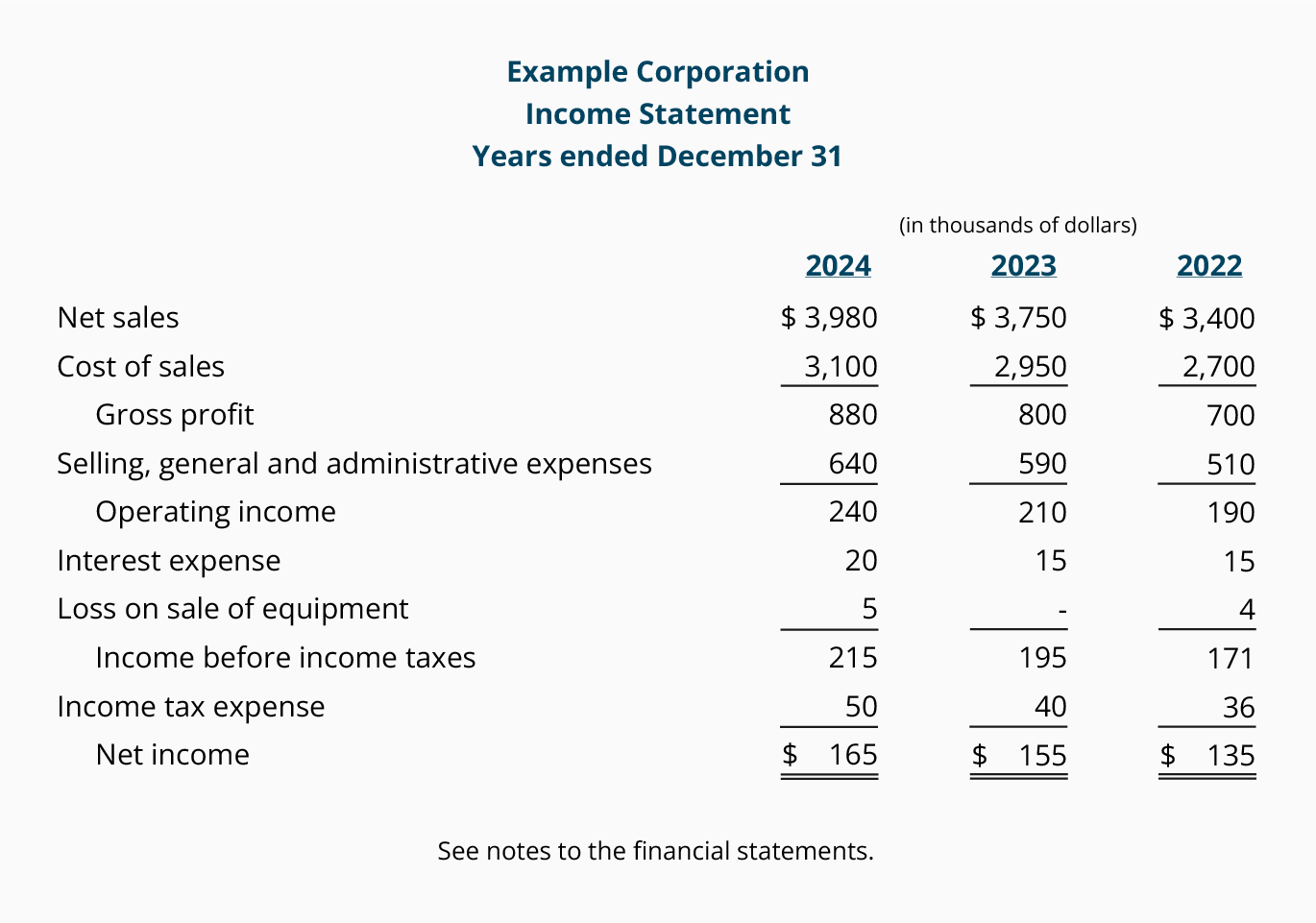
A set of documents that show your company's financial status at a specific point in time.
Example: The three main FINANCIAL STATEMENTS are the Balance Sheet, the Cash Flow statement, and the Income statement. These statements help analyze the business by translating economic factors into accounting numbers like assets, sales, cash flows and earnings.
en: État financier
Insolvency
Noun
The state of being insolvent; inability to pay one's debts.
Example: Referred to hereon as IMF Financial crises are defined as follows "Episodes of financial market volatility marked by significant problems of illiquidity and INSOLVENCY among financial market participants and or by official intervention to contain such consequences" (Bordo et al 2002: 4).
en: Insolvabilité
Investment
Noun
The action or process of investing money for profit or material result.
Example: The raise in import of more capital intensive goods, including INVESTMENT and intermediate goods may be conducive to economic growth.
en: Investissement
Liability
Noun
The state of being responsible for something, especially by law.
Example: Nevertheless, the shareholders with different tax LIABILITY do not necessarily have the same preference.
en: Responsabilité
Marginal cost
Noun
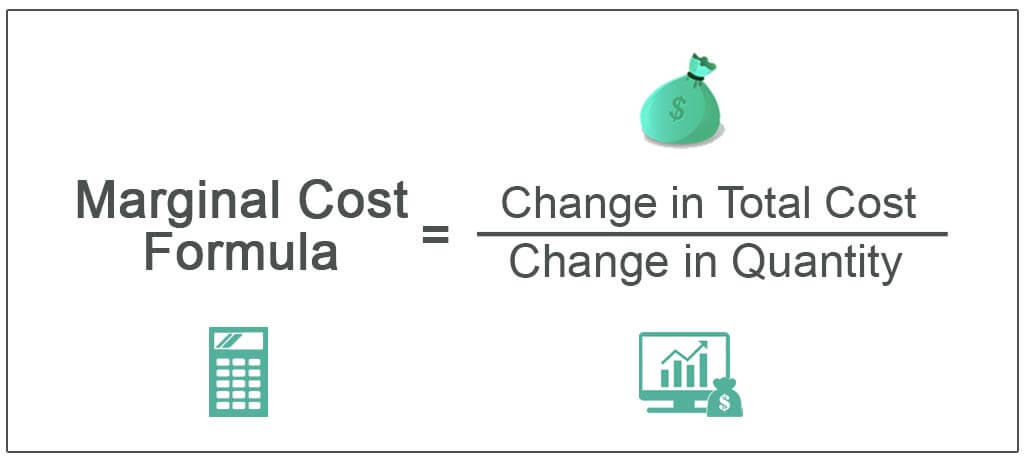
The cost added by producing one additional unit of a product or service.
Example: Unlike economists, accountants do not include opportunity cost in their calculation of profits. Profit maximization occurs where MARGINAL COST (MC) = Marginal revenue (MR) .
en: Coût marginal
Net income
Noun
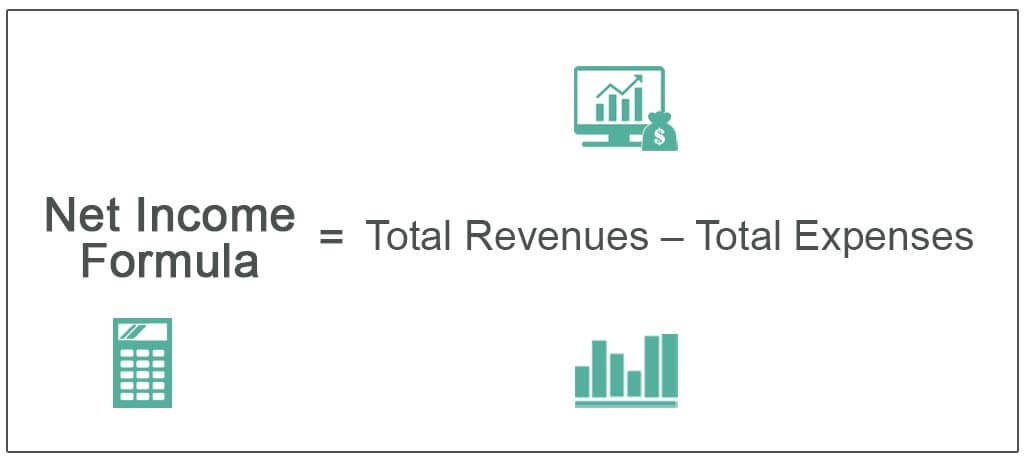
It is gross profit minus all other expenses and costs, as well as any other income and revenue sources that are not included in gross income.
Example: Full list of countries provided in Appendix 1. 1.2 Economic Indicators of Development The GNI (gross national income) per capita is arguably the most revealing single development indicator, displaying the value of everything produced in the formal sector of an economy, (including NET INCOME from abroad) divided by the size of the population.
en: Revenu net
Receipt
Noun
A writing acknowledging the receiving of goods or money.
Example: David may also be able to argue that consistent dealing is irrelevant, as each time he only received the RECEIPT after the conclusion of the contract, and, therefore, on no past occasion was the clause ever incorporated.
en: Reçu
Receivable
Noun
Amounts owed to a business, regarded as assets.
Example: Dividend Yield According to Dyson (p261), "the dividend yield measures the rate of return that an investor gets by comparing the cost of his shares with the dividend RECEIVABLE (or paid)".
en: Créance
Trial balance
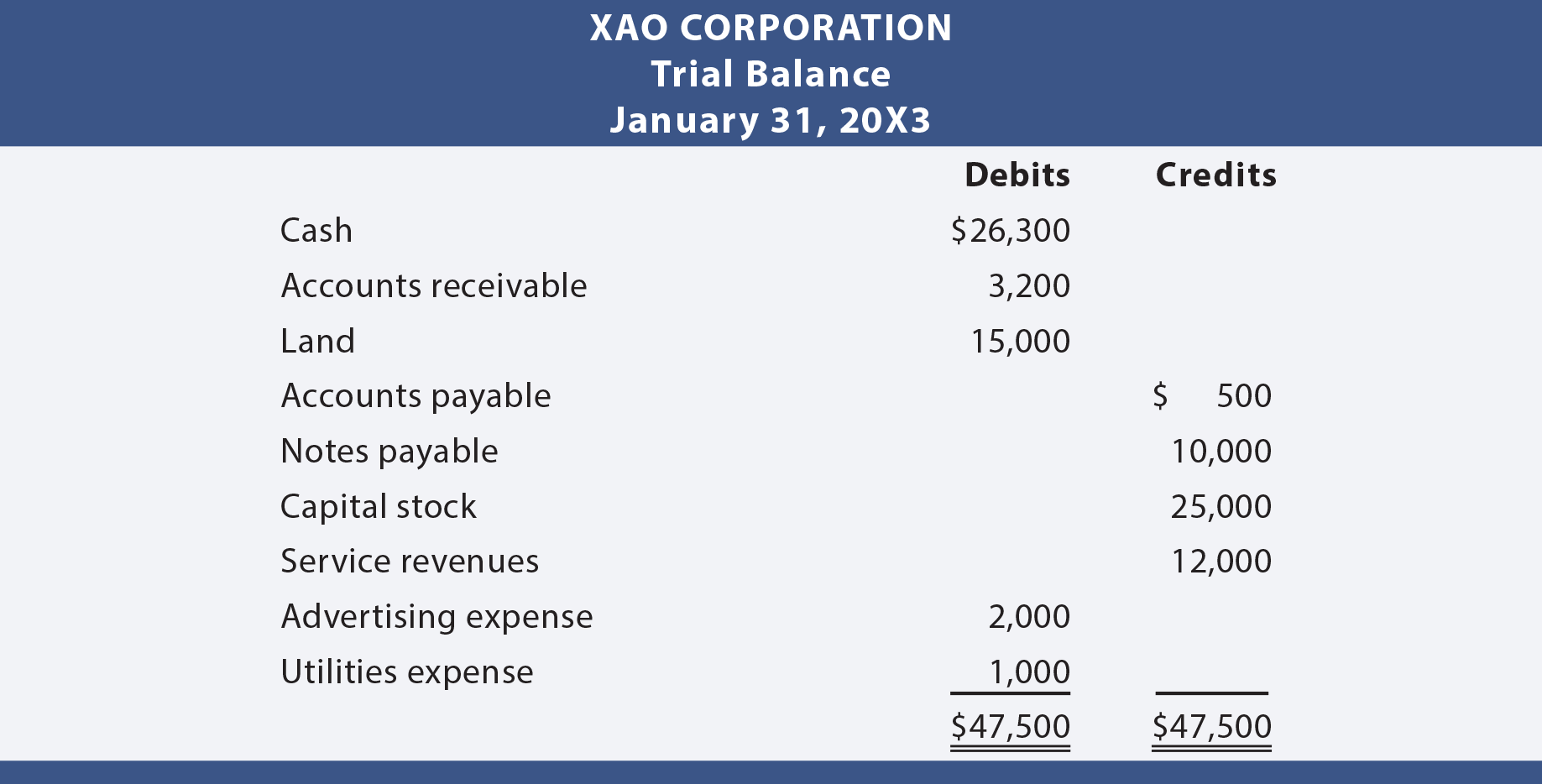
A statement of all debits and credits in a double-entry account book, with any disagreement indicating an error.
Example: You must complete a TRIAL BALANCE to confirm that the sum of all debits equals the sum of all credits and identify whether any entries have been recorded in the wrong account.
:max_bytes(150000):strip_icc()/what-makes-for-a-successful-budget-1289233_final-225d5c28eefd4a0a8ecbebce0f599b1d.jpg)

:max_bytes(150000):strip_icc()/Balance_Deposit_Cash_315424_V4-9420a663016049d1b8ecb9e9ed785589.jpg)